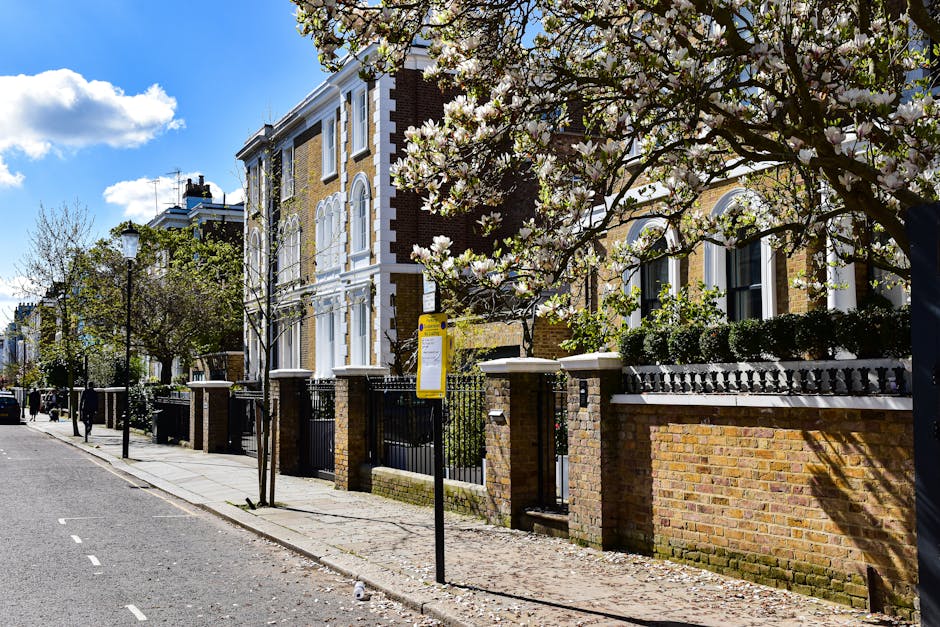
Tachbrook Street garden clearance and ongoing maintenance Pimlico
If your garden on or near Tachbrook Street has started to feel a bit out of hand, you are not alone. In Pimlico, outdoor space is often compact, shaded, overlooked, and expected to do a lot with very little room. That means a one-off tidy-up rarely solves the problem for long. What usually works better is a proper clearance followed by sensible ongoing maintenance. Done well, Tachbrook Street garden clearance and ongoing maintenance Pimlico gives you a garden that looks cared for, stays usable, and does not slide back into chaos by next month.
This guide breaks down what the service actually involves, how the process works, what to expect from a reliable gardener, and how to avoid the common mistakes that make small London gardens harder to manage than they need to be. If you want the practical version, not the fluffy version, you are in the right place.
Expert summary: A good clearance resets the space; ongoing maintenance protects that reset. For small Pimlico gardens, that combination is often the difference between "manageable" and "always catching up".
- Why it matters
- How the process works
- Key benefits
- Who it is for
- Step-by-step guidance
- Expert tips
- Common mistakes to avoid
- Tools and recommendations
- Law, compliance and best practice
- Options and comparison
- Real-world example
- Practical checklist
- Conclusion
- Frequently asked questions
Why Tachbrook Street garden clearance and ongoing maintenance Pimlico Matters
Small urban gardens can turn messy surprisingly quickly. A few wet weeks, a fast-growing hedge, some self-seeded weeds, and a forgotten corner behind a shed, and suddenly the whole space feels neglected. On streets around Tachbrook Street, this is especially common because many gardens are enclosed, partly shaded, and tucked behind terraces or mansion blocks where drainage and access are not always straightforward.
Garden clearance is the reset. It removes overgrowth, debris, old plant matter, broken containers, unwanted waste, and anything else that stops the space from being used properly. Ongoing maintenance is the follow-through. That means pruning, mowing, weeding, edging, and seasonal care at a rhythm that keeps the garden steady rather than letting it build up again.
Why does that matter? Because in a place like Pimlico, where outdoor space is valuable and often limited, a neglected garden can feel smaller, darker, and more difficult to enjoy. The smell of damp leaves, the tangle of stems against a fence, the uneven patch of lawn you keep meaning to sort out - it all adds up. A clean, maintained garden, by contrast, feels calmer and more intentional. You notice the difference the moment you step outside.
There is also a practical side. Regular upkeep can help prevent blocked drains, reduce pest attraction, improve light flow, and stop minor problems becoming expensive ones. To be fair, once a garden is properly reset, it is much easier to maintain than most people expect. The trick is consistency. Not perfection. Consistency.
For readers comparing services, it may help to look at the wider range of support available through the site's services overview, especially if your garden needs more than clearance and basic upkeep. Sometimes a space also benefits from hedge work, lawn care, or light landscaping. That is normal, not a sign that the garden is failing you.
How Tachbrook Street garden clearance and ongoing maintenance Pimlico Works
The process usually starts with a walk-through or a clear description of the space. A reliable gardener wants to know what is there now, what needs removing, what should be kept, and whether there are access issues. In a Pimlico setting, access matters more than people often realise. Narrow side passages, shared entrances, basement steps, and limited parking can all affect how quickly work can be done.
From there, clearance is planned around the actual condition of the garden. A lightly overgrown space may need little more than cutting back, gathering waste, weeding, and a thorough tidy. A heavily neglected one can involve layered work: taking down dead growth, clearing accumulated rubbish, lifting green waste, and reducing density so the garden can breathe again. Sometimes the first visit feels a bit like peeling back several seasons at once. Not dramatic, just honest.
Once the space is cleared, maintenance becomes the protective layer. This often includes:
- regular lawn mowing where turf is present
- edge trimming and weed control
- cutting back fast-growing shrubs
- hedge shaping where needed
- deadheading and seasonal tidy-ups
- checking for recurring problem areas such as damp corners or invasive growth
If your garden includes mature hedges or trees, it may also be sensible to combine maintenance with specific pruning or removal work. The site's hedge trimming service and tree lopping and removal support are relevant where growth is affecting light, access, or safety. That said, not every job needs heavy intervention. Sometimes a small but steady routine is enough.
The real value comes from a sensible schedule. Some gardens need weekly or fortnightly attention during peak growth. Others only need monthly or seasonal visits. The right cadence depends on sunlight, planting style, how the space is used, and frankly, how much time you want to spend doing it yourself. And yes, time is usually the main issue.
Key Benefits and Practical Advantages
A combined clearance-and-maintenance approach gives you more than a neat-looking plot. It creates a garden that is easier to live with. That sounds simple, but in real life it matters a lot.
- Better first impressions: A tidy garden immediately makes the whole property feel more cared for.
- More usable space: Clearing clutter and overgrowth can reveal paths, corners, and planting areas you had forgotten about.
- Less future work: Maintenance reduces the need for dramatic, time-consuming clearances later.
- Improved plant health: Cutting back dead or congested growth helps the remaining plants perform better.
- Reduced nuisance problems: Regular upkeep can help discourage pests, damp build-up, and blocked drainage areas.
- Safer access: Paths, steps, and borders are easier to move around when the garden is not crowded.
There is also a quieter benefit. A maintained garden tends to feel less mentally noisy. You stop seeing all the jobs at once. Instead of a long list of unfinished bits, you get a space that feels settled. That matters more than people admit, especially in a busy part of London where home should feel like a bit of a pause.
If your garden is part of a wider outdoor improvement plan, maintenance can sit nicely alongside landscaping or more targeted landscape gardening. In practical terms, that means you can tidy the space, then improve how it functions, rather than trying to do everything at once and losing momentum.
Who This Is For and When It Makes Sense
This service suits more people than you might think. It is not just for gardens that have got completely out of hand. In fact, some of the best results come from properties that are already reasonably neat but need structure and consistency.
You may benefit from Tachbrook Street garden clearance and ongoing maintenance Pimlico if you are:
- a homeowner who has fallen behind on regular garden care
- a landlord preparing a property between tenancies
- a tenant with responsibility for a private outdoor area
- a busy professional who wants the garden to stay presentable without constant effort
- an older resident who prefers reliable help rather than heavy lifting
- someone planning to sell or let a property and wanting the outside space to look its best
It also makes sense after a long holiday, a period of bad weather, or a renovation that left the garden parked on the back burner. Let's face it, gardens are often the first thing to slip when life gets hectic.
If you are unsure whether you need a one-off tidy or a more regular service, ask yourself one simple question: do you want the garden to improve once, or stay improved? If it is the second one, ongoing maintenance is the smarter route.
For many customers, the first step is a clear conversation about scope and budget. The page on pricing and quotes is useful if you want to understand how enquiries are typically approached and what information helps produce a more accurate estimate.
Step-by-Step Guidance
Here is the practical way to approach the job without overcomplicating it.
- Inspect the garden honestly. Look at what is truly there: weeds, broken items, dead growth, lawn condition, access issues, and anything that may need special handling.
- Separate clearance from improvement. Decide what must be removed first and what can wait for maintenance visits. Not every problem needs fixing on day one.
- Define priorities. For example: safe access, lawn recovery, hedge reduction, waste removal, or general tidying.
- Choose a realistic maintenance frequency. Weekly, fortnightly, monthly, or seasonal - whichever fits the garden's growth rate and your routine.
- Use the first visit to reset the space. Clear the heavy buildup, shape the visible structure, and remove anything that is actively hindering use.
- Set simple maintenance tasks. Keep the routine practical: mow, trim, weed, edge, collect waste, and check problem areas.
- Review after a few visits. The first plan is not sacred. If growth is faster than expected, adjust the schedule.
That review point is easy to overlook, but it is a good habit. Gardens change with the seasons, and a plan that works in early spring may not work in midsummer. A bit of flexibility saves a lot of frustration later.
One small but useful clarification: maintenance is not just about cutting things down. It is about keeping the whole space balanced. If one corner is always damp, or one shrub always swamps the path, the work should address that pattern rather than only the visible mess.
Expert Tips for Better Results
In our experience, the best gardens are not the ones with the fanciest features. They are the ones with a rhythm. A few practical habits make all the difference.
- Start with the worst area first. The ugliest patch usually determines how the whole garden feels.
- Keep waste moving. Do not leave piles sitting around between visits if you can avoid it. They attract damp and make the job feel unfinished.
- Trim for shape, not just size. A hedge or shrub that is smaller but badly shaped still looks messy.
- Protect the lawn. If there is turf, regular mowing is usually better than harsh, irregular cutting.
- Watch for shade changes. A garden that loses light after tree growth may need a different maintenance routine.
- Think seasonally. Spring and autumn often need more active intervention than winter.
A small note from day-to-day practice: if a garden looks "almost sorted," it is usually the last 10 percent that makes it feel finished. Edges, corners, and fence lines matter more than people think. Funny how that works.
If you want a broader service mix, combining upkeep with lawn mowing and targeted attention through garden maintenance can create a much cleaner long-term result than piecemeal visits. It keeps the work coherent. And coherent is good.
Common Mistakes to Avoid
Most garden problems are not caused by one big failure. They usually build up through a series of small delays and assumptions. Here are the common ones to watch for.
- Leaving clearance too late: If overgrowth is left alone for too long, maintenance becomes harder and more expensive.
- Only tidying visible areas: Hidden corners, side passages, and behind-shed spaces often create the real mess.
- Cutting too aggressively: Heavy, sudden reduction can stress plants and leave the garden looking bare.
- Ignoring access issues: If waste removal has not been planned properly, the job can drag on.
- Assuming one visit will fix everything: It might improve a lot, but sustainability comes from the follow-up.
- Failing to match the schedule to growth: Some gardens in Pimlico need more frequent care than people expect, especially in warmer months.
Another one, slightly less obvious: people sometimes request maintenance but never define what "maintained" means to them. Neat lawn only? No weeds in borders? Hedges clipped to a certain height? A brief conversation solves that. Saves bother later.
If the space includes timber features or outdoor structures that have started to look tired, you may want to think beyond clearance. In those cases, the site's decking services page may be relevant where hard landscaping and planting meet. Not every garden needs it, of course, but some do.
Tools, Resources and Recommendations
You do not need a shed full of kit to keep a Pimlico garden under control, but the right tools matter. For homeowners handling light upkeep themselves between professional visits, a basic set is usually enough:
- hand shears or secateurs for small pruning jobs
- a lightweight mower if you have a lawn
- gloves and a sturdy bag or bin for waste
- a hoe or weeding tool for borders and paths
- a rake for leaves, moss, and loose debris
- a watering can or hose where planting needs attention
For more substantial jobs, though, it is better to bring in proper support rather than improvise. That is especially true for heavy waste, awkward access, or tree work. A garden can go from "I'll sort this myself at the weekend" to "I really should not be doing that" pretty quickly.
Useful service pages to review if your garden needs a broader plan include garden clearance, hedge trimming, and landscape gardening. Those pages are especially helpful if you are trying to understand how one job connects to the next.
For reassurance around working practices, it can also help to read the site's information on insurance and safety and the health and safety policy. These matters are not exciting, admittedly, but they are the kind of detail that matters when tools, ladders, waste, and property access are involved.
Law, Compliance, Standards, or Best Practice
Garden work in a residential setting is usually straightforward, but good practice still matters. If waste is being removed, it should be handled responsibly. If plant material, soil, or mixed debris is being taken away, it should not simply be dumped carelessly. Sustainable disposal is part of the job, not an optional extra.
Where pruning or removal is involved, extra care is needed around protected trees, shared boundaries, and neighbouring access. Not every job is legally complex, but some are, and it is wise to avoid assumptions. If a tree is large, close to a structure, or affecting neighbouring property, the right course is to assess it properly before anything is cut.
In terms of general standards, the best benchmark is simple: the work should be safe, proportionate, tidy, and respectful of the property. Tools should be used properly. Waste should be removed cleanly. The site should be left in a better condition than it was found. That sounds obvious, but you would be surprised how often obvious is exactly what is missing.
The site's recycling and sustainability information is worth noting if you care about green waste handling and responsible disposal. Likewise, if you are comparing providers, the about us page can help you understand the approach and values behind the service. Trust matters here. It really does.
Options, Methods, or Comparison Table
Not every garden needs the same level of support. The best option depends on how much work is waiting, how quickly the space grows back, and how much you want to manage yourself.
| Option | Best for | Advantages | Limitations |
|---|---|---|---|
| One-off clearance | Overgrown, cluttered, or recently neglected gardens | Fast reset, immediate visual improvement | Problems return if nothing follows it up |
| Routine maintenance only | Gardens already in decent shape | Keeps things neat with less effort | Not enough if the space has major buildup |
| Clearance plus ongoing maintenance | Most Pimlico gardens, especially compact ones | Best long-term balance, reduces relapse | Needs a simple schedule and consistency |
| Clearance plus landscaping improvements | Gardens needing both tidying and functional change | Can improve layout, use, and appearance together | Usually takes more planning |
In plain English, if your garden is a bit wild, start with clearance. If it is already tidy, keep it that way with maintenance. If it feels awkward as well as messy, consider whether structure or layout needs attention too. That is often the hidden issue.
Case Study or Real-World Example
Picture a small rear garden near Tachbrook Street after a wet spring. The lawn is patchy, the borders have become a tangle of self-seeded growth, and a hedge along the boundary has pushed out so far that it is stealing light from the room behind it. Nothing catastrophic. Just enough to make the garden feel closed in and oddly tiring to look at.
The first visit focuses on clearance: removing fallen debris, cutting back excess growth, dealing with the hedge line, and restoring access to the main seating area. Once the bulk is gone, the garden immediately looks bigger. There is a noticeable shift. You can actually see the shape again.
Then the maintenance plan starts. The lawn is kept short but not scalped, the borders are weeded before growth becomes dominant, and the hedge is trimmed on a regular cycle rather than waiting until it becomes a problem. After a few visits, the garden stops feeling like a job and starts feeling like part of the home again.
That is the quiet win. Not a dramatic transformation, just a stable, usable space that does not keep demanding emergency attention. For many Pimlico homes, that is exactly the right outcome.
And if the garden has features that need a different type of care, the right mix of services can be combined sensibly rather than guessed at. A tidy garden is lovely; a tidy garden that stays tidy is better.
Practical Checklist
Use this checklist before booking or planning any clearance and maintenance work.
- Identify what needs removing and what should stay
- Check whether access is narrow, shared, or awkward
- Decide if you need a one-off tidy or a regular plan
- Note any hedges, trees, lawns, or hard features that need separate attention
- Think about waste removal and how much debris is likely to come out
- Consider whether the garden needs light improvement as well as clearing
- Ask how often maintenance should happen after the first reset
- Review safety, insurance, and disposal expectations
- Keep an eye on seasonal growth patterns after the first visit
- Set a realistic target for what "maintained" should look like
If you can answer those points before work begins, the whole process tends to run more smoothly. Simple, but useful.
Get a free quote today and see how much you can save.
Conclusion
Tachbrook Street garden clearance and ongoing maintenance Pimlico is not really about making a garden look perfect. It is about making it liveable, manageable, and pleasant to step into. A proper clearance gives you the fresh start. Consistent maintenance keeps that progress from slipping away. Together, they create a garden that feels calm instead of demanding, which is a pretty good outcome in a busy part of London.
If your space has started to feel heavy, overgrown, or simply neglected, there is no need to treat it like a massive project in your head. Break it down. Clear first. Maintain after. Adjust as needed. That's the rhythm, really. And once it's in place, you tend to wonder why you waited so long.
A well-kept garden does not shout for attention. It quietly makes home feel better.
Frequently Asked Questions
What does garden clearance include for a Pimlico property?
Garden clearance usually includes removing overgrowth, dead plant material, weeds, waste, and general clutter so the space can be used properly again. The exact scope depends on the garden's condition and what the owner wants kept.
How often should ongoing garden maintenance happen?
That depends on growth rate, planting style, and how much you use the garden. Many small urban gardens benefit from fortnightly or monthly care in the growing season, then lighter seasonal visits at other times.
Is clearance enough on its own?
Sometimes, but not usually for long. Clearance gives you a reset; maintenance keeps the garden from drifting back into disarray. If you want a lasting result, the follow-up matters just as much as the first visit.
What if my garden is very small?
Small gardens often need more thoughtful maintenance, not less. In compact spaces, a little overgrowth can make everything feel crowded very quickly. A simple routine can keep even a tiny garden looking open and usable.
Can garden maintenance include hedge trimming and mowing?
Yes, where those elements are part of the garden. Hedge cutting, lawn mowing, edging, and light pruning are all common parts of an ongoing maintenance plan when relevant to the space.
Do I need regular maintenance after a one-off clearance?
If you want the garden to stay tidy, yes, regular maintenance is strongly recommended. Without it, the same issues tend to return, especially in spring and summer when growth can be fast.
What should I tell the gardener before work starts?
It helps to explain what you want removed, what should stay, any access issues, and whether you need a clean finish or a longer-term maintenance plan. A clear brief saves time and avoids confusion.
Can overgrown hedges or trees be dealt with at the same time?
Often yes, although larger or more awkward growth may need separate attention. If hedges or trees are blocking light, paths, or access, it is sensible to raise that early in the discussion.
How do I know whether I need garden clearance or landscaping?
If the space is mainly messy or overgrown, clearance is the first step. If the layout itself is awkward, worn out, or not working for you, then landscaping or landscape gardening may also be worth considering.
What makes a good maintenance schedule for a London garden?
A good schedule is the one that matches how quickly the garden grows back. In London gardens, especially smaller ones, a flexible plan is usually better than a rigid one. Seasonal changes matter more than people expect.
Is garden waste always removed?
It should be, unless you have agreed otherwise. Waste removal is part of a proper clearance service, and responsible handling is a key part of good practice.
How do I get started?
The simplest next step is to review your garden honestly, note what needs doing, and request a clear quote. If you are comparing options, the site's contact page is the natural place to begin, and the rest follows from there.