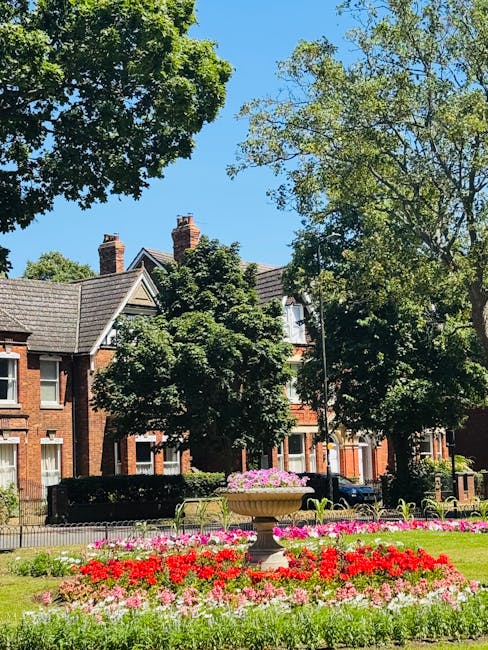
Churchill Gardens local gardeners estate maintenance specialists: practical estate care for greener, calmer shared spaces
If you live, manage, or regularly use a shared outdoor space in Churchill Gardens, you already know how quickly a garden can tip from tidy to tired. One windy week, a few missed beds, or a hedge that's gone a little wild, and suddenly the whole estate feels less cared for. That's where Churchill Gardens local gardeners estate maintenance specialists come in. They bring routine, local know-how, and the kind of steady maintenance that keeps communal spaces looking inviting rather than merely surviving.
This guide walks through what estate maintenance specialists actually do, how the work is usually organised, what good results look like, and how to choose a service that feels dependable. Along the way, you'll also find practical tips, a comparison table, a checklist, and a few things people often overlook until problems start showing up. Let's face it, gardens rarely complain loudly; they just quietly deteriorate.
Table of Contents
- Why Churchill Gardens local gardeners estate maintenance specialists Matters
- How Churchill Gardens local gardeners estate maintenance specialists Works
- Key Benefits and Practical Advantages
- Who This Is For and When It Makes Sense
- Step-by-Step Guidance
- Expert Tips for Better Results
- Common Mistakes to Avoid
- Tools, Resources and Recommendations
- Law, Compliance, Standards, or Best Practice
- Options, Methods, or Comparison Table
- Case Study or Real-World Example
- Practical Checklist
- Conclusion
- Frequently Asked Questions
Why Churchill Gardens local gardeners estate maintenance specialists Matters
Shared gardens are not like a private back garden where one person decides everything. In an estate setting, you're balancing appearance, safety, access, seasonality, budget, and a lot of different expectations. Churchill Gardens local gardeners estate maintenance specialists matter because they understand that estate grounds have to work for everyone, not just look nice in one corner on a sunny afternoon.
Good estate maintenance protects more than the planting. It supports footpaths, visibility, entrances, drainage, amenity areas, and the everyday experience of residents. If the grass gets too long near pathways, if hedges obscure sightlines, or if beds become patchy and neglected, the whole space can feel less secure and less cared for. Small issues become bigger ones, and usually at the worst possible time.
There's also a local advantage. A nearby team is more likely to understand the rhythms of the area, the pace of the seasons in central London, and the practical realities of working around residents, deliveries, bins, access gates, and parking. In a place like Churchill Gardens, timing matters. Quiet work early in the day can make a huge difference.
Expert summary: estate maintenance is not just gardening. It's a coordinated service that keeps communal outdoor areas safe, tidy, healthy, and usable through the year. The best specialists work with consistency, not just flair.
How Churchill Gardens local gardeners estate maintenance specialists Works
In practice, estate maintenance usually begins with a site assessment. A gardener or team looks at the condition of lawns, shrubs, hedging, beds, trees within scope, hard surfaces, and access routes. They'll also note the site's priorities: perhaps entrances need to stay immaculate, maybe there are planted borders that need seasonal attention, or perhaps the main issue is that routine grass cutting has been inconsistent.
From there, a maintenance plan is usually created around frequency and seasonal need. That might mean weekly grass cutting during the growing season, scheduled hedge trimming, bed weeding, leaf clearance, pruning, border tidy-ups, and regular litter picking where included. The key point is consistency. One-off visits can improve appearance, but estate gardens tend to stay in good shape only when work is repeated on a realistic schedule.
Most reliable services also include communication. That doesn't sound glamorous, but it's crucial. Residents' associations, property managers, and managing agents often need straightforward updates: what was done, what needs extra attention, and what may require seasonal planning. You want someone who can explain the work in plain English, not just vanish after the mower's done its thing.
If you're comparing providers, it helps to look at the wider range of gardening and estate maintenance services so you can see whether your site needs ongoing care, seasonal support, or a more tailored mix.
Key Benefits and Practical Advantages
There's a noticeable difference between a garden that is occasionally worked on and one that is properly maintained. The former may look fine for a while. The latter feels settled, intentional, and easier to live with. Here are the main advantages of using Churchill Gardens local gardeners estate maintenance specialists.
- Consistent presentation: regular maintenance keeps communal areas neat through wet spells, growth spurts, and leaf fall.
- Better safety: clear paths, managed growth, and tidier edges reduce trip hazards and visibility issues.
- Longer plant life: correct pruning, deadheading, feeding, and bed care support healthier planting over time.
- Less reactive spending: routine care often prevents the need for bigger restorative jobs later on.
- Resident confidence: people notice when shared spaces are cared for. It changes how the whole estate feels.
- Seasonal resilience: a good team adjusts tasks as the year changes, rather than treating every month the same.
Another advantage that's easy to underestimate: a maintained garden is simpler to manage. When borders are tidy and growth is under control, any future improvement work becomes more straightforward. No one enjoys wrestling with a bed that's become a jungle in July. Been there, seen that, not fun.
Who This Is For and When It Makes Sense
This service is a strong fit for any shared residential setting where outdoor areas need reliable upkeep rather than occasional rescue work. That includes housing estates, managed blocks, resident-owned developments, and properties with communal courtyards or planted frontage. If several households or stakeholders rely on the same outdoor space, maintenance should be planned rather than improvised.
It also makes sense if you're noticing one or more of these signs:
- grass is growing unevenly or too quickly for current cover
- hedges and shrubs are blocking sightlines or encroaching on access routes
- beds are full of weeds or seasonal planting has become sparse
- leaf build-up is creating slippery paths or a messy appearance
- previous ad hoc gardeners have been inconsistent
- residents keep raising the same concerns, month after month
For managing agents and resident groups, a local service can be especially helpful where responsiveness matters. If a storm knocks branches loose or a display area needs a quick refresh before visitors arrive, the ability to get attention locally is worth a lot. Not everything has to be urgent, of course. But when it is urgent, you'll want someone who can actually turn up.
If you're still working out the best approach, it can help to review the company background and local approach before requesting support. The tone, process, and values matter more than people often think.
Step-by-Step Guidance
Here's a practical way to think about estate maintenance from first enquiry to ongoing care. This is the bit that turns a vague wish for "better gardens" into something workable.
- Assess the site properly. Walk the grounds and note what actually needs attention: lawns, hedges, borders, entrances, paths, litter, seasonal planting, and any recurring problem areas.
- Prioritise the most visible and highest-risk zones. Entrances, paths, corners with poor visibility, and heavily used communal areas usually need attention first.
- Decide on the maintenance frequency. A growing garden in London often needs more frequent visits in spring and summer than in winter. It's just how it goes.
- Define the scope clearly. Be specific about mowing, strimming, edging, pruning, deadheading, weeding, leaf clearance, and waste removal.
- Set communication expectations. Agree who receives updates, how issues are flagged, and what counts as an additional job.
- Review seasonal changes. What worked in May may be insufficient in October. Plans should flex with the year.
- Monitor results and adjust. Good maintenance is iterative. If a border keeps failing or one area gets messy faster than expected, refine the plan.
This process is easier when the gardener understands both the horticulture and the social reality of estate work. People are walking through the space at all hours. Noise, timing, and tidiness matter. A machine on a quiet morning can wake half the block if used carelessly. Truth be told, that's one of the fastest ways to lose goodwill.
Expert Tips for Better Results
Some of the best results come from simple choices made early. Here are a few practical tips that make estate maintenance smoother and more effective.
1. Keep maintenance continuous, not seasonal-only
It's tempting to focus on spring and assume the rest will sort itself out. It won't. The strongest-looking shared spaces are usually the ones that receive modest, regular care all year, with extra attention in peak growth periods.
2. Match the planting to the site
High-maintenance planting in a communal estate can become a burden if there isn't enough budget or time to look after it. Reliable specialists often recommend robust, lower-maintenance planting where practical, especially for exposed spots or busy entrances.
3. Make access and storage part of the plan
If gardeners have to spend ten minutes every visit just finding tools or unlocking gates, efficiency drops. Good estate management pays attention to where waste is taken, where equipment is stored, and how teams move around site.
4. Keep the work tidy as it happens
Residents notice mess. A mower can do a fine job, but if clippings are left on paths or green waste piles up, the impression is still poor. Clean edges, swept surfaces, and prompt removal of debris all help.
5. Ask for plain-language updates
Technical horticultural language can be useful, but you also need clear answers. What was done? What needs attention next? Is there a problem developing in one area? The more straightforward the update, the easier it is to manage expectations.
If budgets and service levels are part of your decision, it's sensible to review pricing and quote guidance before you commit. A clear quote is more useful than a vague promise, every time.
Common Mistakes to Avoid
Estate gardens often go wrong in predictable ways. The good news is that most of them are avoidable once you know what to look for.
- Choosing the cheapest option without checking scope. A low price can hide missing tasks, weak communication, or irregular visits.
- Assuming one-off tidy-ups are enough. A great first visit does not equal a good maintenance strategy.
- Not defining the boundaries of the job. If nobody agrees what is included, gaps appear quickly.
- Ignoring waste disposal. Green waste left on-site can become unsightly and, in some cases, awkward to manage.
- Overplanting for the maintenance budget. Beautiful planting that can't be sustained becomes expensive disappointment.
- Failing to review seasonal needs. Winter leaf clearance and summer growth management are not the same job.
Another common issue is expecting every section of an estate to look identical. That's rarely realistic. Sun, shade, soil conditions, root competition, and foot traffic all affect performance. A specialist gardener should explain the differences rather than pretending everything can be made perfect with one sweep of the mower.
Tools, Resources and Recommendations
Estate maintenance specialists typically rely on practical, durable equipment rather than anything flashy. The exact toolkit depends on the site, but a good team usually uses items such as mowers, strimmers, hedge trimmers, pruning tools, leaf clearance equipment, barrows, rakes, and appropriate waste sacks or containers.
Just as important as the tools is the system behind them. For shared sites, that means:
- clear visit schedules
- simple reporting notes
- safe access arrangements
- agreed waste handling processes
- seasonal task planning
For residents and managers, there are also a few useful resources on the service side. You may want to review the provider's recycling and sustainability approach if green waste handling matters to your estate. If payment handling and booking process matter more at this stage, payment and security information can give you a clearer sense of how the working relationship is structured.
If you need to get in touch to discuss your site's practical requirements, the contact page is the natural next step. Sometimes a five-minute conversation saves a lot of back-and-forth later.
Law, Compliance, Standards, or Best Practice
Estate maintenance is partly about horticulture, but it also touches safety, access, and reasonable care. While I'm not going to pretend every site has the same obligations, there are some sensible UK best-practice principles to keep in mind.
Work around communal areas should be organised with attention to health and safety, especially where tools, moving machinery, wet paths, steps, or public access are involved. Risk assessments, safe working methods, and insured work practices are all sensible expectations for this kind of service. On a residential estate, those basics are not box-ticking; they protect residents, visitors, and workers alike.
It is also reasonable to ask how a team handles:
- safe use of equipment around residents
- waste removal and disposal
- emergency access routes
- weather-related changes to scheduling
- working near play areas, entrances, or parked vehicles
For a fuller view of the provider's operational standards, you can read their health and safety policy and insurance and safety information. Those pages help build confidence that the basics are being taken seriously. Which, to be fair, should be a minimum, not a bonus.
If a business is transparent about standards, terms, and expectations, that usually tells you a lot about how it will behave on site too. You can also review the terms and conditions and the privacy policy if you want to understand how information and service terms are handled.
Options, Methods, or Comparison Table
Not every estate needs the same level of gardening support. The right choice depends on budget, visibility, planting complexity, and how much day-to-day polish you want to preserve.
| Approach | Best for | Strengths | Limitations |
|---|---|---|---|
| Ad hoc tidy-ups | Small sites or temporary fixes | Quick response, simple to arrange | Inconsistent results, weaker long-term value |
| Scheduled basic maintenance | Most communal estates | Reliable appearance, predictable upkeep | May not suit highly planted or complex sites alone |
| Full estate maintenance programme | Larger or high-visibility developments | Best continuity, stronger seasonal control, better resident experience | Requires clearer planning and budget commitment |
For Churchill Gardens local gardeners estate maintenance specialists, the middle and upper options are usually the most effective because shared spaces need consistency more than dramatic interventions. A tidy estate that stays tidy is usually the aim. Not glossy. Not overworked. Just properly looked after.
Case Study or Real-World Example
Imagine a residential block with a central lawn, a few shrub borders, a front entrance bed, and narrow paths that residents use constantly. In early spring, the lawn starts to green up quickly, the hedges push outward, and the borders pick up weeds after a couple of wet weeks. Nothing dramatic. But enough to make the estate feel a bit neglected.
A local maintenance team might begin with a reset visit: edging the lawn, cutting back obvious overgrowth, clearing debris, and restoring shape to the main front bed. After that, they'd move to a regular programme: mowing as needed, light weeding, periodic hedge trimming, and seasonal planting where appropriate. Over a few visits, the space stops feeling like a series of jobs and starts feeling like one cared-for place again.
That kind of work doesn't usually make headlines. But residents notice it when they walk in with shopping bags on a drizzly evening and the path is clear, the edges are neat, and the place simply feels looked after. That's the point, really.
Practical Checklist
Use this checklist before appointing a gardener or reviewing your current estate maintenance setup.
- Have the main maintenance priorities been listed clearly?
- Is the frequency of visits realistic for the growing season?
- Are entrances, paths, and high-traffic areas included?
- Has waste removal been confirmed?
- Are seasonal tasks included, not just summer tasks?
- Has the provider explained insurance and safety arrangements?
- Do you know who to contact with queries or changes?
- Is there a simple process for reporting problems after a visit?
- Does the plan fit the site's actual planting and access conditions?
- Have pricing and payment expectations been understood in advance?
If you can answer most of those with confidence, you're already ahead of the game. If not, no drama. It just means the scope needs tightening before work begins.
Conclusion
Churchill Gardens local gardeners estate maintenance specialists are about much more than keeping grass short and shrubs trimmed. They help shared spaces remain safe, presentable, and quietly welcoming through changing seasons. In an estate setting, that consistency matters. It's the difference between a garden that merely exists and one that genuinely supports daily life.
The best results usually come from local knowledge, regular maintenance, clear communication, and a scope that matches the realities of the site. If you're planning or reviewing estate care, aim for a service that is steady, transparent, and practical rather than flashy. That tends to age well, which is more than can be said for most overgrown hedges.
Get a free quote today and see how much you can save.
And if you're still weighing up the right fit, start with a conversation. The right team should make the process feel easier, not more complicated. That's the kind of calm you want around a place people call home.
Frequently Asked Questions
What do Churchill Gardens local gardeners estate maintenance specialists actually do?
They handle the ongoing care of shared outdoor areas, usually including mowing, edging, hedge trimming, weeding, pruning, leaf clearance, and general tidying. The exact scope depends on the estate and the agreed service plan.
How often should estate gardens be maintained?
It depends on the size of the site, planting density, and season. Many communal estates need more frequent visits in spring and summer, with reduced but still regular attention in autumn and winter.
Is estate maintenance different from regular garden maintenance?
Yes. Estate maintenance usually involves shared spaces, higher foot traffic, multiple stakeholders, and a stronger emphasis on safety, consistency, and communication. It tends to be more structured than private garden care.
What should be included in a maintenance quote?
A good quote should explain what tasks are included, how often visits will take place, what happens with waste, and whether any extra services are charged separately. Clarity matters here. A lot.
Can a local gardener help with seasonal changes?
Yes. Seasonal planning is a big part of good estate care. Spring growth, summer watering needs, autumn leaf fall, and winter tidy-ups all require different approaches.
How do I know if a gardener is suitable for a residential estate?
Look for evidence of reliable scheduling, clear communication, insurance and safety awareness, and experience with communal spaces. It also helps if they explain the work in practical terms rather than vague promises.
What are the biggest signs that an estate needs professional maintenance?
Common signs include overgrown hedges, weeds in borders, patchy lawns, leaf build-up, blocked sightlines, and residents repeatedly mentioning the same issues. If the place looks tired most of the time, that's usually the clue.
Do estate maintenance specialists remove green waste?
Usually yes, but it should be confirmed in advance. Waste handling can vary between providers, so it's worth checking whether removal is included or charged separately.
Are there safety considerations for work in shared gardens?
Definitely. Tools, machinery, wet surfaces, access routes, and resident movement all need to be managed carefully. That is why insurance, safe methods, and clear scheduling are so important.
What's the benefit of using a local team rather than a distant contractor?
A local team can often respond more quickly, understands the area better, and is usually more familiar with the pace and practicalities of working in a London residential setting. That can make day-to-day management much easier.
How can I improve results without increasing the budget too much?
Start by prioritising the highest-visibility and highest-risk areas, then keep the maintenance schedule realistic. Simple, regular work often delivers more value than occasional big jobs.
Where can I find more information before booking?
It helps to review the provider's services overview, read about the team on the about us page, and then use the contact page to discuss your estate's needs.